

Hey there! As a supplier of small vane pumps, I've seen my fair share of issues with these little workhorses. One of the most common problems we encounter is wear. So, what exactly is the wear problem in a small vane pump? Let's dive in and take a closer look.

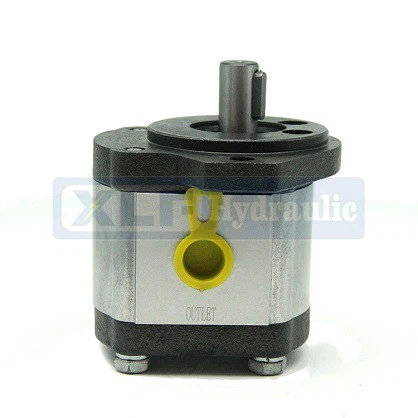
Understanding the Basics of a Small Vane Pump
First off, let's quickly go over how a small vane pump works. These pumps are simple yet effective devices that use vanes to create a pumping action. The vanes are typically made of materials like carbon, ceramic, or metal, and they slide in and out of slots in a rotor. As the rotor spins, the vanes create chambers that expand and contract, drawing in and expelling fluid.
Types of Wear in Small Vane Pumps
There are several types of wear that can occur in a small vane pump. The most common ones include:
Abrasive Wear
Abrasive wear happens when hard particles, like dirt or metal shavings, get into the pump. These particles can scratch and wear down the vanes, rotor, and other internal components. Over time, this can lead to reduced pump efficiency and even complete failure. For example, if the hydraulic fluid isn't properly filtered, it can carry abrasive particles that cause damage.
Adhesive Wear
Adhesive wear occurs when two surfaces in the pump come into contact and stick together. This can happen due to high pressure, lack of lubrication, or improper surface finish. When the surfaces separate, material can be transferred from one to the other, causing wear. In a small vane pump, adhesive wear can affect the vanes and the stator, leading to decreased performance.
Erosive Wear
Erosive wear is caused by the impact of fluid or particles on the pump components. This can happen when the fluid flow is too high or when there are sudden changes in flow direction. The constant impact can wear away the surface of the vanes and other parts, reducing their lifespan.
Causes of Wear in Small Vane Pumps
Now that we know the types of wear, let's look at the common causes.
Contaminated Fluid
As mentioned earlier, contaminated fluid is a major cause of wear in small vane pumps. Dirt, debris, and metal particles in the fluid can act as abrasives, wearing down the components. It's crucial to use clean, properly filtered fluid to minimize this risk. You can check out the CAT 6E2932 Replacement Fixed Speed Pump 936 Fits Aftermarket Tractor Part for a pump that's designed to work with clean fluid and reduce wear.
Poor Lubrication
Lubrication is essential for reducing friction and wear in a small vane pump. If the lubricant isn't of the right quality or if there's not enough of it, the vanes and other components can experience increased wear. Make sure to use the recommended lubricant and follow the maintenance schedule to keep the pump properly lubricated.
High Operating Temperatures
High operating temperatures can also contribute to wear in small vane pumps. When the temperature rises, the viscosity of the fluid decreases, reducing its lubricating properties. This can lead to increased friction and wear. Additionally, high temperatures can cause the materials in the pump to expand, which can affect the clearances between the components. Consider using a pump like the CAT PVH Series Constant Displacement Hydraulic Pump for Excavators that's designed to handle high temperatures and reduce wear.
Excessive Pressure
Excessive pressure can put a lot of stress on the vanes and other components in a small vane pump. This can cause them to bend, break, or wear out more quickly. It's important to operate the pump within its recommended pressure range to avoid this type of wear.
Effects of Wear on Small Vane Pumps
The wear in a small vane pump can have several negative effects.
Reduced Efficiency
As the vanes and other components wear down, the pump's efficiency decreases. This means it takes more energy to move the same amount of fluid, leading to higher operating costs. You might notice a decrease in the flow rate or pressure output of the pump.
Leakage
Wear can also cause leakage in the pump. When the vanes or other seals wear out, fluid can escape from the chambers, reducing the pump's performance. This can lead to fluid loss, contamination, and potential damage to other parts of the system.
Noise and Vibration
Worn components in a small vane pump can cause increased noise and vibration. This can be a sign of serious wear and should be addressed promptly to avoid further damage.
Preventing Wear in Small Vane Pumps
The good news is that there are several ways to prevent wear in small vane pumps.
Proper Fluid Maintenance
Regularly change the hydraulic fluid and use high - quality filters to keep the fluid clean. This will help prevent abrasive and erosive wear. Make sure to follow the manufacturer's recommendations for fluid type and change intervals.
Adequate Lubrication
Use the right lubricant and ensure that there's enough of it in the pump. Check the lubricant level regularly and top it up as needed. Proper lubrication can reduce adhesive and abrasive wear.
Correct Installation and Alignment
Install the pump correctly and make sure it's properly aligned. Incorrect installation can cause uneven wear on the components. Follow the installation instructions carefully to ensure optimal performance.
Monitoring and Maintenance
Regularly monitor the pump's performance, including flow rate, pressure, and temperature. Look for signs of wear, such as noise, vibration, or leakage. Perform preventive maintenance, like inspecting and replacing worn parts, to keep the pump in good condition.
Conclusion
In conclusion, wear is a common problem in small vane pumps, but it can be managed. By understanding the types and causes of wear, and taking preventive measures, you can extend the lifespan of your pump and keep it running efficiently. If you're in the market for a high - quality small vane pump or need replacement parts, we're here to help. We offer a wide range of pumps, including the GPM 2FC004GK205 Hydraulic Axial Duplex Piston Pumps for Crawler Bulldozers, that are designed to minimize wear and provide reliable performance.
If you have any questions about small vane pumps or want to discuss your specific needs, feel free to reach out. We're always happy to help you find the right solution for your application.
References
- "Hydraulic Pump Handbook"
- "Fluid Power Technology"


