

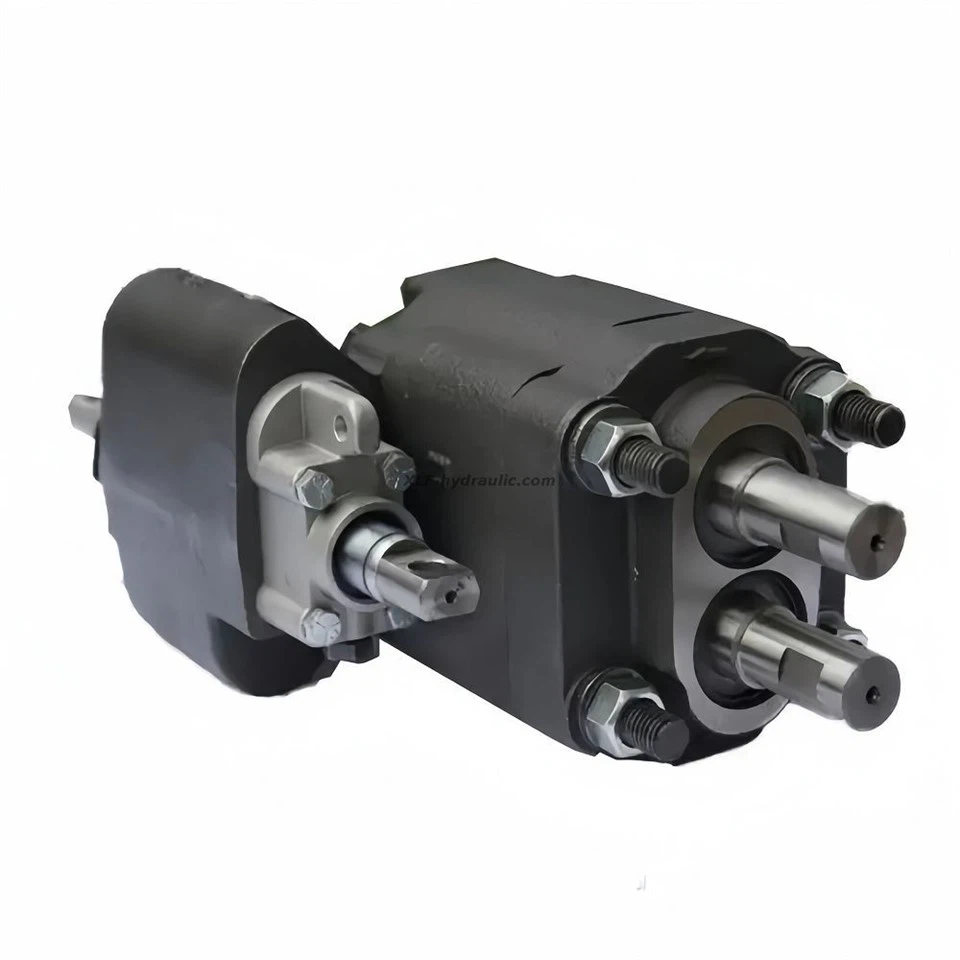
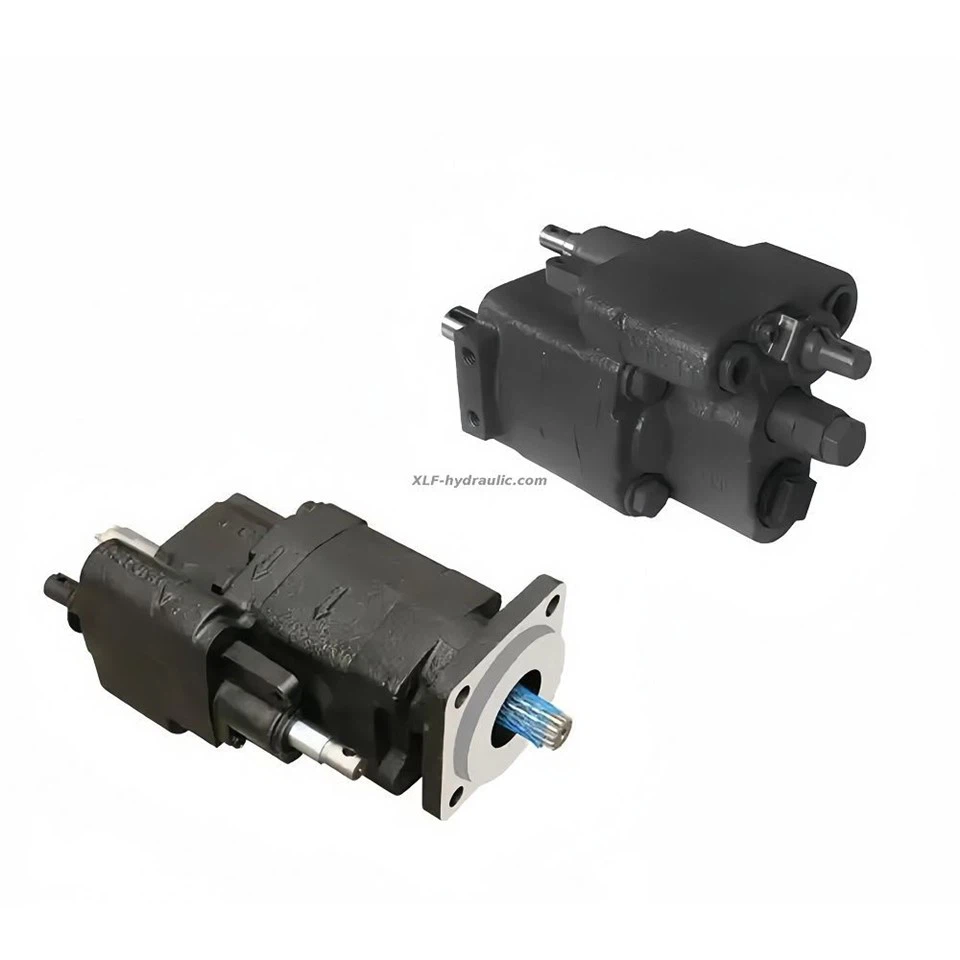
A twin piston pump is a vital component in various industrial and hydraulic systems, known for its efficiency and reliability. As a dedicated twin piston pump supplier, I am often asked about the pressure range of these pumps. In this blog post, I'll delve into the details of the pressure range of twin piston pumps, its influencing factors, and its significance in different applications.
Understanding Twin Piston Pumps
Before we discuss the pressure range, it's essential to understand what a twin piston pump is. A twin piston pump consists of two pistons that move in a reciprocating motion within cylinders. This design allows for a continuous flow of fluid, which is crucial in many hydraulic systems. The pump's operation is based on the principle of positive displacement, where a fixed amount of fluid is displaced with each stroke of the pistons.
Pressure Range Basics
The pressure range of a twin piston pump refers to the minimum and maximum pressures at which the pump can operate effectively. This range is typically measured in pounds per square inch (psi) or bar. The lower end of the pressure range represents the minimum pressure required to initiate the pump's operation and maintain a stable flow of fluid. The upper end, on the other hand, indicates the maximum pressure the pump can generate without causing damage to its components.
Factors Influencing the Pressure Range
Several factors can influence the pressure range of a twin piston pump:
- Pump Design: The design of the pump, including the size and shape of the pistons, cylinders, and valves, plays a significant role in determining its pressure range. Pumps with larger pistons and cylinders can generally generate higher pressures.
- Material Quality: The quality of the materials used in the pump's construction also affects its pressure range. High-quality materials can withstand higher pressures without deforming or failing.
- Fluid Viscosity: The viscosity of the fluid being pumped can impact the pump's pressure range. More viscous fluids require higher pressures to flow through the pump.
- Operating Conditions: The operating conditions, such as temperature and speed, can also influence the pressure range. Higher temperatures can reduce the viscosity of the fluid, which may affect the pump's performance.
Typical Pressure Ranges
The pressure range of twin piston pumps can vary widely depending on the specific application and design. In general, twin piston pumps can operate at pressures ranging from a few hundred psi to several thousand psi. For example, in some low-pressure applications, such as lubrication systems, the pressure range may be between 100 - 500 psi. In high-pressure applications, such as hydraulic presses and industrial machinery, the pressure range can exceed 3000 psi.
Applications and Pressure Requirements
Different applications have different pressure requirements, and twin piston pumps are chosen based on their ability to meet these needs. Here are some common applications and their typical pressure requirements:
- Hydraulic Machinery: In hydraulic machinery, such as excavators and loaders, twin piston pumps are used to generate the high pressures needed to operate the hydraulic cylinders. These pumps typically operate at pressures between 2000 - 5000 psi.
- Industrial Processes: In industrial processes, such as injection molding and metal forming, twin piston pumps are used to provide the precise pressure control required for these applications. The pressure range in these processes can vary from 1000 - 3000 psi.
- Automotive Systems: In automotive systems, such as power steering and braking systems, twin piston pumps are used to provide the necessary pressure for these functions. The pressure range in automotive applications is typically between 500 - 2000 psi.
Significance of the Pressure Range
The pressure range of a twin piston pump is crucial for ensuring the proper operation of the hydraulic system. If the pump operates outside its pressure range, it can lead to several problems, including:
- Reduced Efficiency: Operating the pump at pressures below its recommended range can result in reduced efficiency and flow rate.
- Component Damage: Operating the pump at pressures above its maximum rating can cause damage to the pump's components, such as the pistons, cylinders, and valves.
- System Failure: In extreme cases, operating the pump outside its pressure range can lead to system failure, which can be costly and dangerous.
Choosing the Right Twin Piston Pump
When choosing a twin piston pump, it's essential to consider the pressure requirements of your application. Here are some tips to help you select the right pump:
- Determine the Pressure Requirements: First, determine the minimum and maximum pressures required for your application. This will help you narrow down your options and choose a pump with the appropriate pressure range.
- Consider the Flow Rate: In addition to the pressure range, you also need to consider the flow rate of the pump. The flow rate is the amount of fluid the pump can deliver per unit of time, and it's measured in gallons per minute (gpm) or liters per minute (lpm).
- Evaluate the Pump's Performance: Look for a pump that offers reliable performance and durability. Consider factors such as the pump's efficiency, noise level, and maintenance requirements.
- Choose a Reputable Supplier: Finally, choose a reputable supplier who can provide you with high-quality pumps and excellent customer service. As a twin piston pump supplier, I can offer you a wide range of pumps to meet your specific needs.
Related Products
If you're in the market for a hydraulic pump, here are some related products that you may be interested in:
- Rexroth Series PAVC33 Hydraulic Axial Piston Variable Pump for Backhoe: This pump is designed for use in backhoes and other heavy equipment, offering high performance and reliability.
- Parker G101 G102 Hydraulic Variable Displacement Gear Pump for Dump Truck: This pump is suitable for use in dump trucks and other applications that require variable displacement and high pressure.
- Yuken 150T Quantitative Hydraulic Pump Plungerp for Injection Molding Machines: This pump is designed for use in injection molding machines, offering precise pressure control and high efficiency.
Conclusion
The pressure range of a twin piston pump is a critical factor to consider when choosing a pump for your hydraulic system. By understanding the factors that influence the pressure range and the significance of choosing the right pump, you can ensure the proper operation and longevity of your hydraulic system. As a twin piston pump supplier, I'm here to help you select the right pump for your application and provide you with the support and service you need. If you have any questions or need assistance with choosing a pump, please don't hesitate to contact me for a procurement discussion.
References
- "Hydraulic Pumps: Principles, Types, and Applications" by John Doe
- "Industrial Hydraulics Handbook" by Jane Smith
- "Automotive Hydraulic Systems" by Tom Brown


