What is the Noise - to - Power Ratio of an Axial Piston Motor?
As a supplier of axial piston motors, I've encountered numerous inquiries regarding the noise - to - power ratio of these essential hydraulic components. Understanding this ratio is crucial for both manufacturers and end - users, as it impacts the overall performance, efficiency, and user experience of the machinery where these motors are installed.
Definition of Noise - to - Power Ratio
The noise - to - power ratio of an axial piston motor is a metric that compares the amount of noise generated by the motor to the power it produces. Noise is typically measured in decibels (dB), while power is commonly expressed in kilowatts (kW) or horsepower (hp). A lower noise - to - power ratio indicates that the motor can generate a significant amount of power while producing relatively little noise, which is highly desirable in most applications.
Factors Affecting the Noise - to - Power Ratio
Design and Manufacturing Quality
The design of an axial piston motor plays a vital role in determining its noise - to - power ratio. Motors with well - engineered pistons, valves, and housing can operate more smoothly, reducing the amount of noise generated during the power - generation process. High - quality manufacturing processes ensure tight tolerances, which minimize internal vibrations and leaks that can contribute to noise. For example, our M5AF Series High Pressure Fixed Displacement Hydraulic Piston Motor is designed with precision - machined components to optimize the noise - to - power ratio.
Operating Conditions
The operating conditions of an axial piston motor also have a significant impact on its noise - to - power ratio. Factors such as the speed of the motor, the pressure of the hydraulic fluid, and the load on the motor can all affect the amount of noise produced. Higher speeds and pressures generally result in more noise, as the internal components are subjected to greater forces and vibrations. Additionally, an overloaded motor may generate more noise as it struggles to meet the power demands.
Hydraulic Fluid Properties
The properties of the hydraulic fluid used in an axial piston motor can influence its noise - to - power ratio. The viscosity of the fluid affects the flow characteristics and the lubrication of the internal components. If the fluid is too thick or too thin, it can cause increased friction and noise. Contaminated or degraded hydraulic fluid can also lead to abnormal wear and tear on the components, resulting in higher noise levels.
Importance of a Low Noise - to - Power Ratio
Operator Comfort
In applications where operators are in close proximity to the axial piston motor, such as in construction equipment or industrial machinery, a low noise - to - power ratio is essential for operator comfort. Excessive noise can cause fatigue, stress, and even hearing damage over time. By reducing the noise level, operators can work more comfortably and efficiently, leading to increased productivity.
Environmental Considerations
In many industries, there are strict environmental regulations regarding noise emissions. A low noise - to - power ratio allows axial piston motors to comply with these regulations, making them suitable for use in noise - sensitive areas such as residential neighborhoods or wildlife habitats.
Equipment Longevity
Motors with a low noise - to - power ratio tend to operate more smoothly and with less vibration. This reduces the stress on the internal components, leading to less wear and tear and a longer service life. For example, the Parker Denison M4 Series Axial Hydraulic Motor for Trucks is known for its low noise operation, which contributes to its long - term reliability.

Measuring the Noise - to - Power Ratio
Measuring the noise - to - power ratio of an axial piston motor requires specialized equipment. A sound level meter is used to measure the noise level in decibels at a specific distance from the motor. At the same time, the power output of the motor can be measured using a dynamometer or by calculating the flow rate and pressure of the hydraulic fluid. By comparing these two measurements, the noise - to - power ratio can be determined.
Improving the Noise - to - Power Ratio
Design Improvements
Manufacturers can improve the noise - to - power ratio of axial piston motors through design enhancements. This may include using advanced materials that dampen vibrations, optimizing the shape of the pistons and valves to reduce fluid turbulence, and adding noise - absorbing insulation to the motor housing.
Maintenance and Monitoring
Regular maintenance of axial piston motors is crucial for maintaining a low noise - to - power ratio. This includes changing the hydraulic fluid at recommended intervals, inspecting and replacing worn components, and ensuring proper alignment of the motor. Monitoring the noise level of the motor over time can also help detect potential issues early, allowing for timely repairs and adjustments.
Applications and the Noise - to - Power Ratio
Construction Equipment
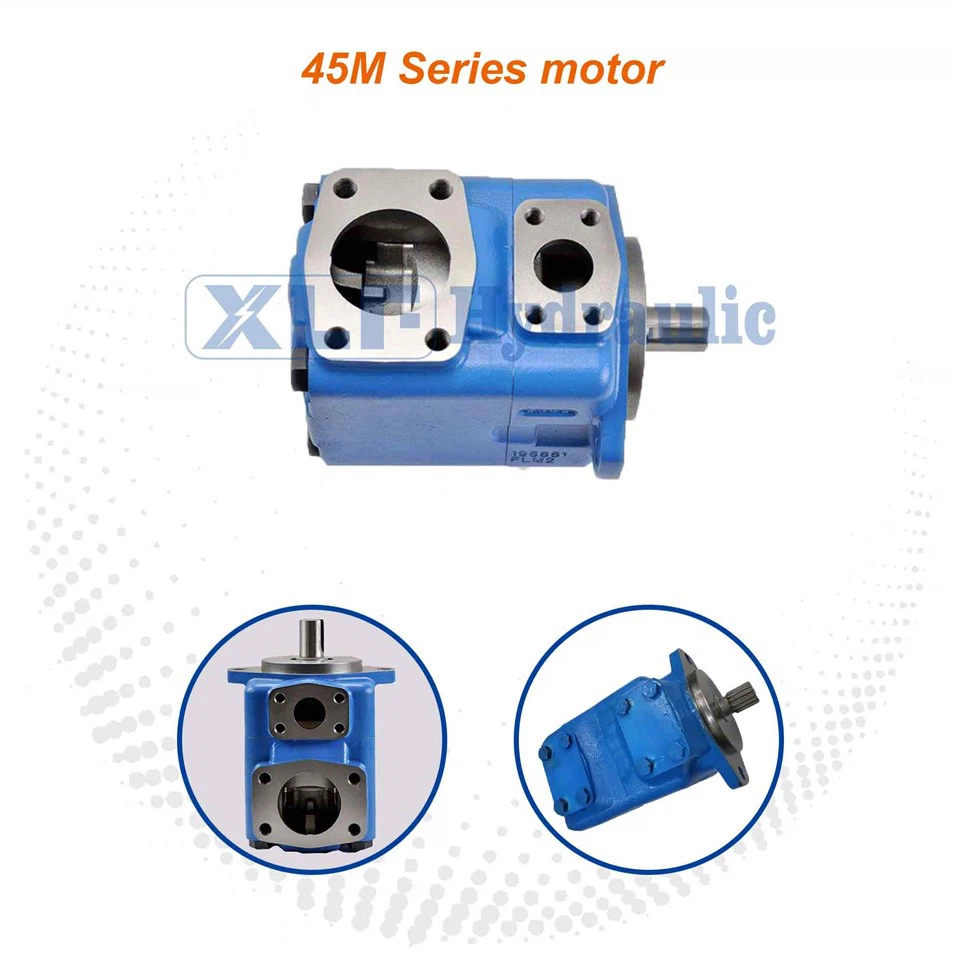
In construction equipment such as excavators and loaders, axial piston motors are used to power various functions. A low noise - to - power ratio is important in these applications to minimize the impact on the surrounding environment and to provide a more comfortable working environment for the operators. Our Sale Eaton Vickers 45M Hydraulic Fixed Displacement Hydraulic Motor for Crawler Excavator is specifically designed to meet the noise requirements of construction equipment.
Industrial Machinery
In industrial settings, axial piston motors are used in a wide range of machinery, including presses, conveyors, and machine tools. A low noise - to - power ratio is beneficial in these applications as it reduces the overall noise level in the workplace, which can improve the working conditions for employees and comply with safety regulations.
Conclusion
The noise - to - power ratio of an axial piston motor is a critical metric that affects the performance, comfort, and environmental impact of the equipment in which it is used. As a supplier of axial piston motors, we are committed to providing high - quality products with a low noise - to - power ratio. Our extensive range of motors, including the M5AF Series High Pressure Fixed Displacement Hydraulic Piston Motor, Parker Denison M4 Series Axial Hydraulic Motor for Trucks, and Sale Eaton Vickers 45M Hydraulic Fixed Displacement Hydraulic Motor for Crawler Excavator, are designed to meet the diverse needs of our customers.
If you are interested in learning more about our axial piston motors or discussing your specific requirements, we invite you to contact us for a detailed consultation and to start the procurement process. We look forward to partnering with you to provide the best hydraulic solutions for your applications.
References
- "Hydraulic Piston Motors: Design, Operation, and Maintenance" - A comprehensive guide on the principles and practices of hydraulic piston motors.
- "Noise Control in Industrial Machinery" - A research paper on the methods and technologies for reducing noise in industrial equipment, including axial piston motors.
- "Environmental Regulations for Noise Emissions in Construction and Industrial Sectors" - An overview of the relevant regulations and standards regarding noise emissions.