

Hey there! As a supplier of axial piston motors, I often get asked about the lifespan of these nifty pieces of machinery. So, I thought I'd sit down and write a blog post to share what I know.
First off, let's talk about what an axial piston motor is. It's a type of hydraulic motor that uses pistons arranged axially (parallel to the drive shaft) to convert hydraulic pressure into mechanical rotation. These motors are known for their high power density, efficiency, and ability to handle high pressures, which makes them a popular choice in a wide range of applications, from construction equipment to industrial machinery.
Now, the big question: What's the lifespan of an axial piston motor? Well, the answer isn't as straightforward as you might think. There are several factors that can affect how long an axial piston motor will last, and I'll break them down for you.
Operating Conditions
One of the most significant factors influencing the lifespan of an axial piston motor is the operating conditions. If the motor is used in a harsh environment with high temperatures, extreme pressures, or a lot of contaminants, it's going to wear out faster than if it's used in a more controlled setting.
For example, in a construction site, an axial piston motor in a bulldozer might be exposed to dust, dirt, and vibrations on a daily basis. These conditions can cause the internal components of the motor to wear down more quickly, leading to a shorter lifespan. On the other hand, a motor used in a clean, temperature - controlled industrial facility might last much longer.
Maintenance
Proper maintenance is crucial for extending the lifespan of an axial piston motor. Regular maintenance tasks include checking and changing the hydraulic fluid, inspecting the seals for leaks, and ensuring that all the connections are tight.
If you neglect maintenance, small issues can turn into big problems. For instance, dirty hydraulic fluid can cause abrasion inside the motor, leading to premature wear of the pistons and other components. And a small leak can allow air or contaminants to enter the system, which can also damage the motor over time.
Quality of the Motor
The quality of the axial piston motor itself also plays a huge role in its lifespan. Higher - quality motors are typically built with better materials and more precise manufacturing processes. This means that they can withstand more stress and wear over time.
As a supplier, I've seen the difference in lifespan between budget - friendly motors and top - of - the - line models. For example, the Rexroth A6VM Series 63 Axial Piston Air Motor for Bulldozers is a high - quality motor known for its durability and long lifespan. It's designed to handle the tough conditions often found in bulldozer applications.
Usage Patterns
How the motor is used also affects its lifespan. If the motor is constantly running at full capacity or under heavy loads, it will wear out faster than if it's used more moderately. For example, a motor in a truck that's constantly hauling heavy loads up steep hills will experience more stress than a motor in a truck that mostly drives on flat roads with light loads.
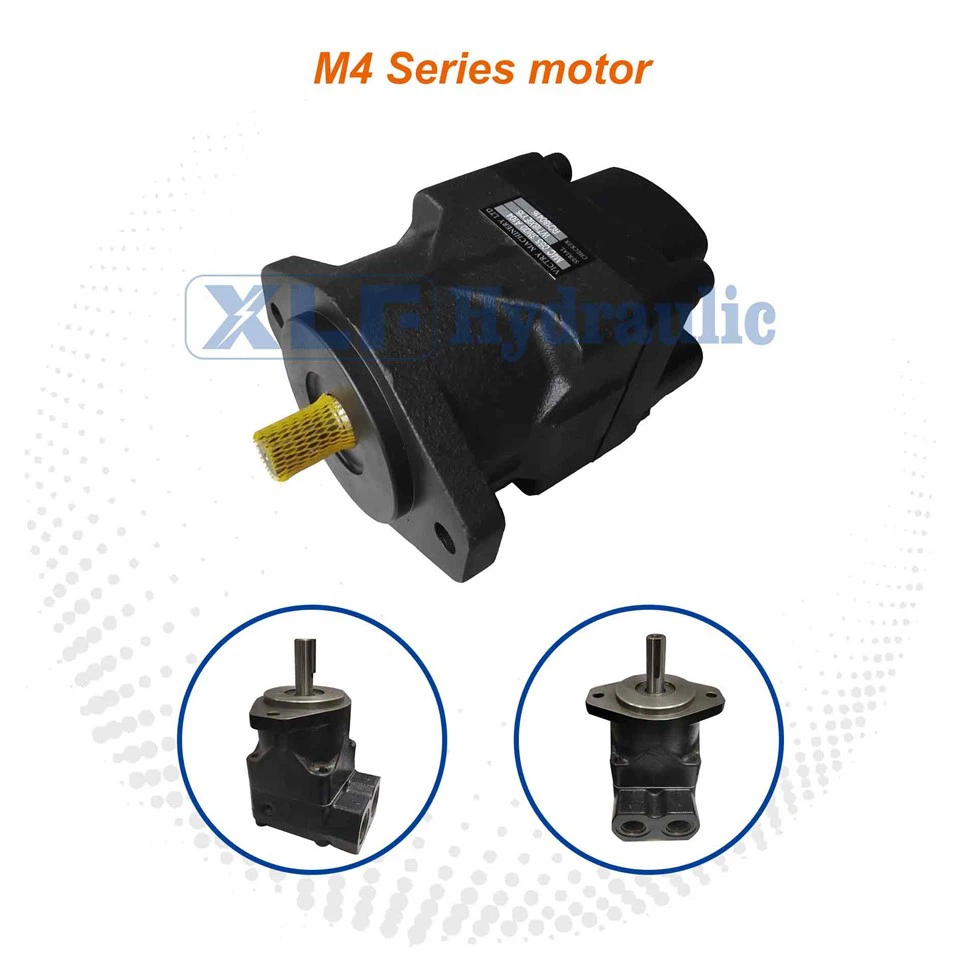
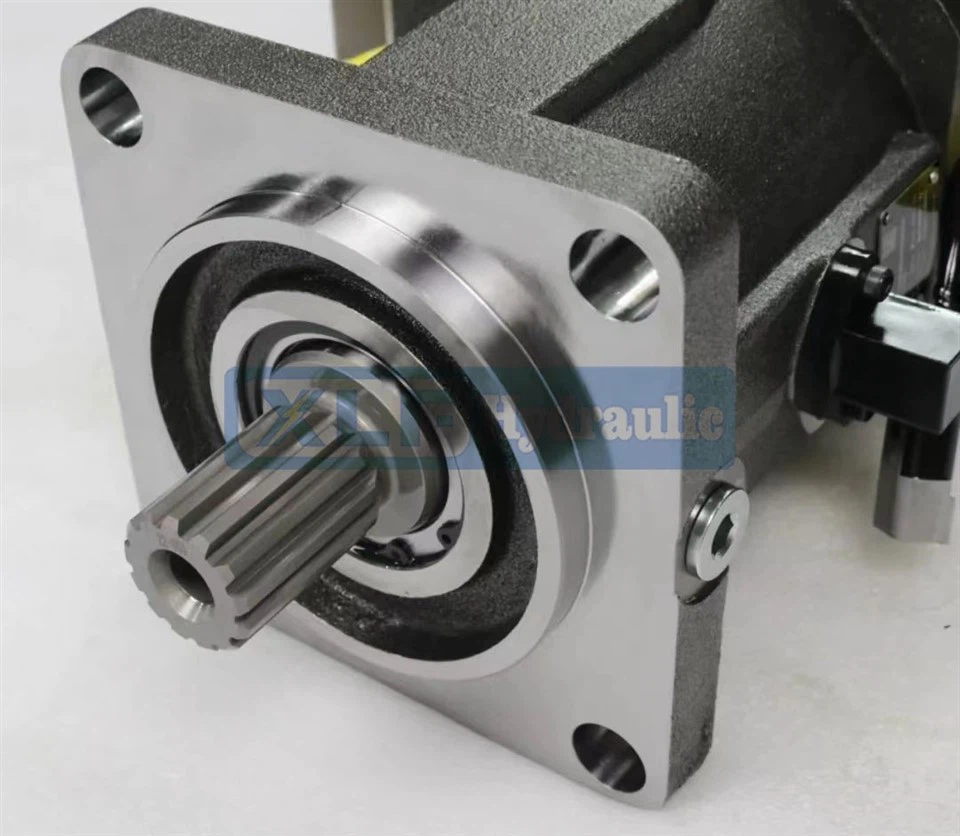
The Parker Denison M4 Series Axial Hydraulic Motor for Trucks is designed to handle different usage patterns. It can be adjusted to match the specific requirements of the truck, which can help extend its lifespan.
Average Lifespan Estimates
So, with all these factors in mind, what's a typical lifespan for an axial piston motor? Well, under normal operating conditions and with proper maintenance, an axial piston motor can last anywhere from 10,000 to 20,000 hours of operation. However, in some cases, with excellent maintenance and ideal operating conditions, a motor could last even longer.
On the other hand, if the motor is used in a very harsh environment and maintenance is neglected, it might only last a few thousand hours.
Extending the Lifespan
If you want to get the most out of your axial piston motor, here are some tips to extend its lifespan:
- Follow the Manufacturer's Recommendations: The manufacturer usually provides guidelines on maintenance, operating conditions, and usage limits. Make sure to follow these recommendations to keep the motor in top shape.
- Use High - Quality Hydraulic Fluid: Good quality hydraulic fluid helps to lubricate the internal components of the motor and prevent wear. Change the fluid at the recommended intervals.
- Monitor the Motor: Keep an eye on the motor's performance. If you notice any changes in noise, vibration, or power output, it could be a sign of a problem. Address these issues promptly to prevent further damage.
Different Types of Axial Piston Motors and Their Lifespans
There are different types of axial piston motors, and their lifespans can vary slightly. For example, fixed - displacement axial piston motors like the Parker Denison M4C M4SC Hydraulic in Fixed Displacement Vane Motor are generally simpler in design and can be quite reliable if properly maintained.
Variable - displacement axial piston motors, on the other hand, have more complex internal mechanisms. While they offer more flexibility in terms of speed and torque control, they might require a bit more maintenance and could potentially have a slightly shorter lifespan if not cared for properly.
Conclusion
In conclusion, the lifespan of an axial piston motor depends on a variety of factors, including operating conditions, maintenance, quality, and usage patterns. By understanding these factors and taking the necessary steps to care for the motor, you can ensure that it lasts as long as possible.
If you're in the market for an axial piston motor or have any questions about them, I'm here to help. Whether you need advice on choosing the right motor for your application or want to learn more about maintenance, feel free to reach out. We can have a chat and figure out the best solution for you.
Let's start a conversation and see how we can make your project a success with the right axial piston motor.
References
- Hydraulic Equipment Handbook
- Manufacturer's manuals for Rexroth A6VM Series 63, Parker Denison M4C M4SC, and Parker Denison M4 Series motors


