

Hey there! As a supplier of axial piston pumps, I've been getting a lot of questions lately about the vibration characteristics of these pumps. So, I thought I'd take a moment to break it down for you.
First off, let's talk about what an axial piston pump is. It's a type of hydraulic pump that uses a set of pistons arranged in a circular pattern around a central shaft. These pistons move back and forth in their cylinders, creating a pumping action that transfers hydraulic fluid from the inlet to the outlet. Axial piston pumps are widely used in various industries, including construction, agriculture, and manufacturing, because they're efficient, reliable, and can handle high pressures.
Now, onto the vibration characteristics. Vibration is a common issue with axial piston pumps, and it can have a significant impact on the pump's performance and lifespan. There are several factors that can cause vibration in an axial piston pump, and understanding these factors is crucial for maintaining the pump and ensuring its optimal operation.
One of the main causes of vibration in an axial piston pump is the unbalanced forces generated by the pistons as they move back and forth. When the pistons are not perfectly balanced, it creates an uneven distribution of forces, which can lead to vibration. This can be caused by a variety of factors, such as manufacturing tolerances, wear and tear, or improper installation.
Another factor that can contribute to vibration is the hydraulic imbalance within the pump. This can occur when there are differences in the pressure or flow rate between the inlet and outlet ports, or when there are restrictions or blockages in the hydraulic system. Hydraulic imbalance can cause the pump to operate inefficiently and can also lead to increased vibration.
The design of the pump itself can also play a role in its vibration characteristics. For example, the number of pistons, the size and shape of the cylinders, and the type of swash plate or valve plate used can all affect the pump's vibration levels. Some pumps are designed to minimize vibration through features such as balanced pistons, anti-vibration mounts, or advanced damping systems.
So, what are the effects of vibration on an axial piston pump? Well, excessive vibration can cause a number of problems, including increased wear and tear on the pump components, reduced efficiency, and even premature failure. Vibration can also cause noise, which can be a nuisance in a workplace environment and can even lead to hearing damage over time.
To reduce vibration in an axial piston pump, there are several steps that can be taken. First, it's important to ensure that the pump is properly installed and aligned. This includes making sure that the pump is mounted securely and that all the connections are tight. Proper alignment of the pump shaft and the drive shaft is also crucial to minimize vibration.
Regular maintenance is also essential for reducing vibration. This includes checking and replacing worn or damaged components, such as pistons, seals, and bearings, as well as monitoring the hydraulic fluid levels and quality. Keeping the hydraulic system clean and free of contaminants can also help to prevent vibration.
In some cases, it may be necessary to use vibration isolation techniques, such as anti-vibration mounts or damping materials, to reduce the vibration transmitted from the pump to the surrounding equipment. These techniques can be particularly effective in applications where the pump is mounted on a sensitive structure or where noise reduction is a priority.
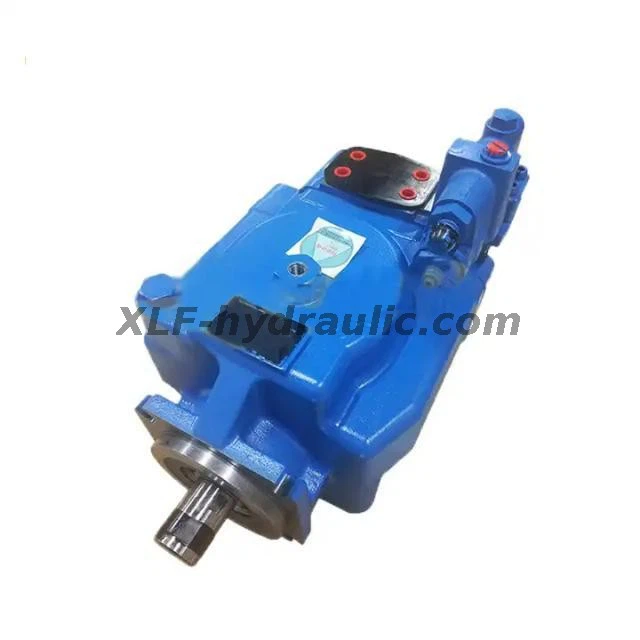
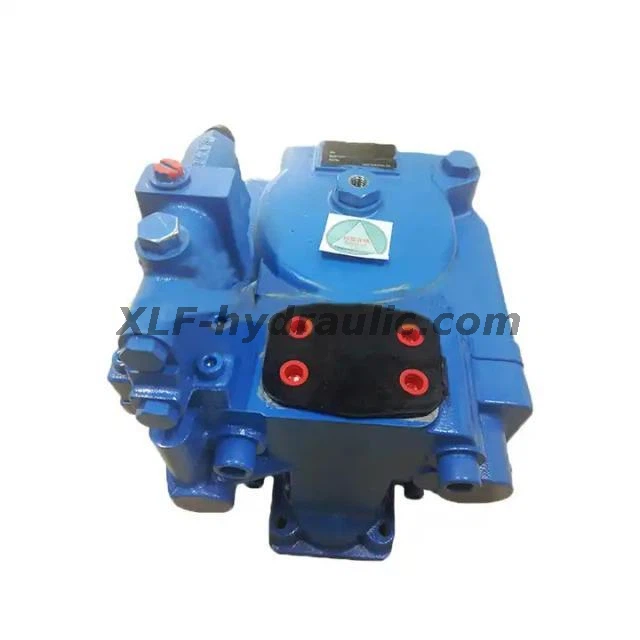
Now, let me tell you about some of the axial piston pumps we offer. We have a wide range of pumps to suit different applications and requirements. For example, the Eaton Vickers Pvh131 PVH74 Series Inline Piston Pump for Excavators is a high-performance pump that's designed for use in excavators and other heavy equipment. It features a compact design, high efficiency, and low noise levels, making it a popular choice for many customers.
Another great option is the CAT 980G Hydraulic Pump and Piston For CAT Loader. This pump is specifically designed for use in CAT loaders and is known for its reliability and durability. It's built to withstand the harsh operating conditions of construction sites and can provide consistent performance over a long period of time.
We also offer the Rexroth PVB Axial Piston Pump Oil Type Swash Plate Piston Pump for Industrial Machinery. This pump is suitable for a wide range of industrial applications and is known for its high efficiency and precise control. It features a modular design, which allows for easy installation and maintenance.
If you're in the market for an axial piston pump or have any questions about vibration characteristics or pump maintenance, don't hesitate to reach out. We're here to help you find the right pump for your needs and ensure that it operates at its best. Whether you're a small business or a large industrial company, we have the expertise and the products to meet your requirements.
In conclusion, understanding the vibration characteristics of an axial piston pump is essential for maintaining its performance and longevity. By taking the necessary steps to reduce vibration, such as proper installation, regular maintenance, and the use of vibration isolation techniques, you can ensure that your pump operates smoothly and efficiently. And if you're looking for a high-quality axial piston pump, we've got you covered. So, why wait? Contact us today to discuss your needs and let's get started on finding the perfect pump for you.
References
- "Hydraulic Pump Handbook" by Hydraulic Institute
- "Axial Piston Pump Design and Operation" by Fluid Power Journal


