

Hey there! As a hydraulic pump supplier, I've seen my fair share of hydraulic pumps in action. And let me tell you, a failing hydraulic pump can be a real headache for anyone relying on hydraulic systems. In this blog, I'm gonna share some signs that your hydraulic pump might be on the fritz.
1. Unusual Noises
One of the first signs that something's up with your hydraulic pump is when it starts making strange noises. You might hear a whining, grinding, or rattling sound. A whining noise could mean that the pump is cavitating. Cavitation happens when the pressure in the hydraulic fluid drops below its vapor pressure, causing bubbles to form. These bubbles then collapse when they reach higher-pressure areas, creating that annoying whining sound.
Grinding noises are even more concerning. They could indicate that there's some internal damage, like worn-out gears or bearings. If you hear grinding, it's a good idea to shut down the system as soon as possible to prevent further damage. Rattling noises might be due to loose parts inside the pump. This could be a result of normal wear and tear or improper installation.
2. Decreased Performance
If your hydraulic system isn't performing as well as it used to, the pump could be the culprit. You might notice that the equipment is slower to respond, or it can't generate as much force as before. For example, if you're using a hydraulic lift, it might take longer to raise or lower a load. This decrease in performance could be due to a loss of pressure in the system, which is often caused by a failing pump.
The pump might not be able to deliver the required amount of hydraulic fluid at the right pressure. This could be because of internal leaks, worn-out components, or a clogged filter. If you're experiencing decreased performance, it's worth checking out the pump to see if it's the problem.
3. Overheating
Overheating is another sign of a failing hydraulic pump. When a pump is working hard and not functioning properly, it can generate more heat than normal. You might notice that the hydraulic fluid is getting too hot to the touch. Overheating can cause the fluid to break down, which can lead to further problems in the system.
There are several reasons why a pump might overheat. It could be due to a lack of proper lubrication, which causes increased friction inside the pump. Or, there could be a problem with the cooling system, such as a clogged radiator or a malfunctioning fan. If you suspect that your pump is overheating, it's important to address the issue quickly to avoid damage to the pump and other components in the system.
4. Fluid Leaks
Fluid leaks are a clear sign that something's wrong with your hydraulic pump. You might see hydraulic fluid dripping or pooling around the pump. Leaks can occur at various points, such as the seals, gaskets, or connections. A small leak might not seem like a big deal at first, but over time, it can lead to a loss of fluid in the system, which can affect performance.
Leaks can also be a sign of internal damage to the pump. For example, if the seals are worn out, it could be because the pump is operating under excessive pressure or there's some misalignment. If you notice any fluid leaks, it's important to identify the source and fix it as soon as possible.
5. Excessive Vibration
Excessive vibration is another symptom of a failing hydraulic pump. You might feel the pump shaking more than usual, or you might notice that the entire hydraulic system is vibrating. This vibration can be caused by several factors, such as imbalanced components, loose mounting, or internal damage.
Vibration can not only be annoying, but it can also cause further damage to the pump and other parts of the system. It can loosen connections, wear out components faster, and even lead to structural damage over time. If you experience excessive vibration, it's important to investigate the cause and take corrective action.
6. Contaminated Fluid
Checking the hydraulic fluid can also give you some clues about the condition of the pump. If the fluid looks dirty, cloudy, or has particles in it, it could be a sign of a failing pump. Contaminated fluid can be caused by internal wear and tear, which releases metal particles into the fluid. It can also be due to external contaminants entering the system, such as dirt or dust.
Contaminated fluid can cause a lot of problems in the hydraulic system. It can clog filters, damage valves, and wear out components. If you notice that the fluid is contaminated, it's a good idea to change it and check the pump for any signs of damage.
7. Erratic Operation
Finally, if your hydraulic system is operating erratically, it could be a sign of a failing pump. You might notice that the equipment is starting and stopping unexpectedly, or it's not moving smoothly. This erratic operation could be due to inconsistent pressure in the system, which is often caused by a pump that's not working properly.
The pump might be delivering fluid in an uneven manner, causing the system to behave unpredictably. If you experience erratic operation, it's important to have the pump inspected to determine the cause.
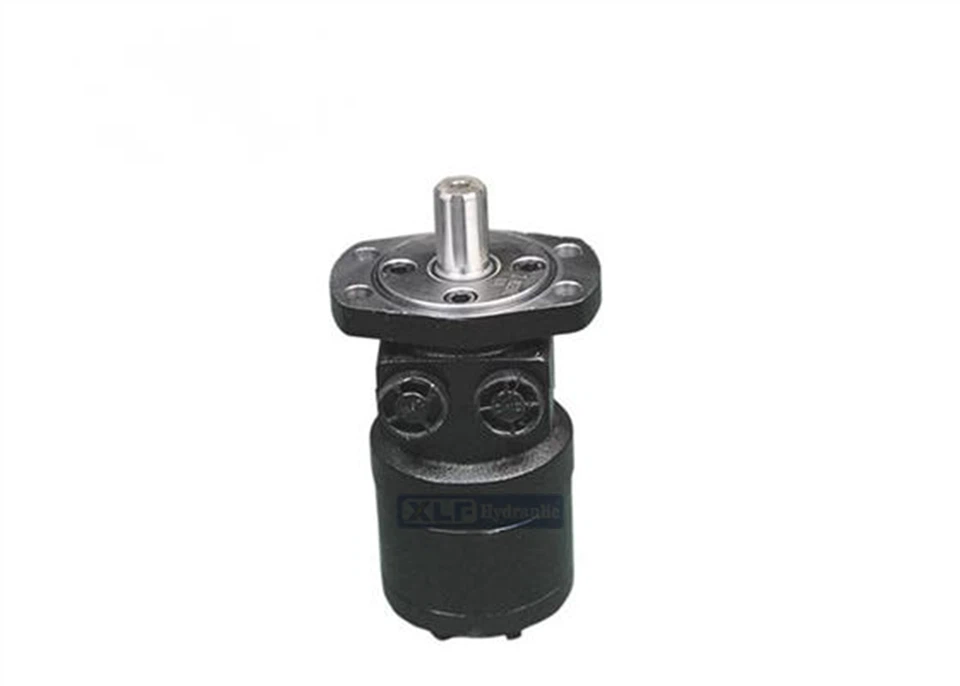
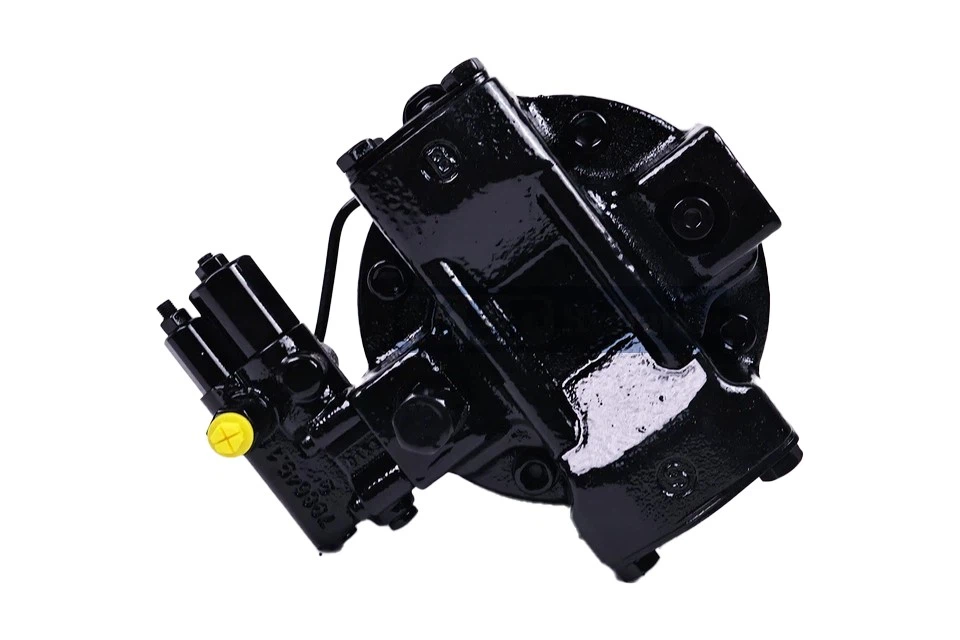
As a hydraulic pump supplier, I know how important it is to keep your hydraulic systems running smoothly. If you're experiencing any of these signs, it might be time to replace your pump. We offer a wide range of high-quality hydraulic pumps, including the Volvo 15020161 Alternative Hydraulic Fan Motor, the OMR 250cc Gerotor Hydraulic Motor - SAE 6B Spline Shaft G1/2 Side Ports 4-Hole Oval Flange Mount LSHT, and the 11410664 Aftermarket Volvo Replacement Pumps & Fan Motor & Parts | Efficient-Running & Seamless-Fit.
If you're interested in purchasing a new hydraulic pump or need more information, don't hesitate to reach out. We're here to help you find the right solution for your needs.
References
- "Hydraulic Systems: Operation, Maintenance, and Troubleshooting" by William L. Hosford
- "Fluid Power with Applications" by Anthony Esposito


