

As a reliable supplier of the Kawasaki series, I've often been asked whether the Kawasaki series can be integrated with other equipment. This is a question that holds significant importance for many industries, especially those in the construction, mining, and manufacturing sectors where the seamless operation of different equipment is crucial for efficiency and productivity.
Compatibility and Technical Considerations
The Kawasaki series is renowned for its high - quality hydraulic components, including pumps, motors, and valves. These components are designed with advanced engineering and precision manufacturing techniques, which generally allows for a certain degree of integration with other equipment.
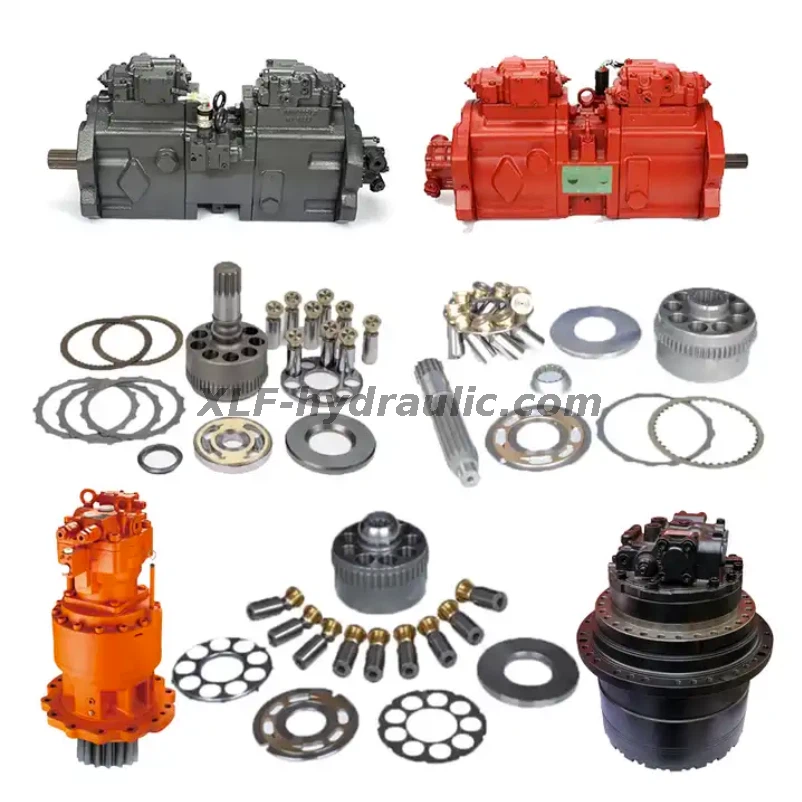
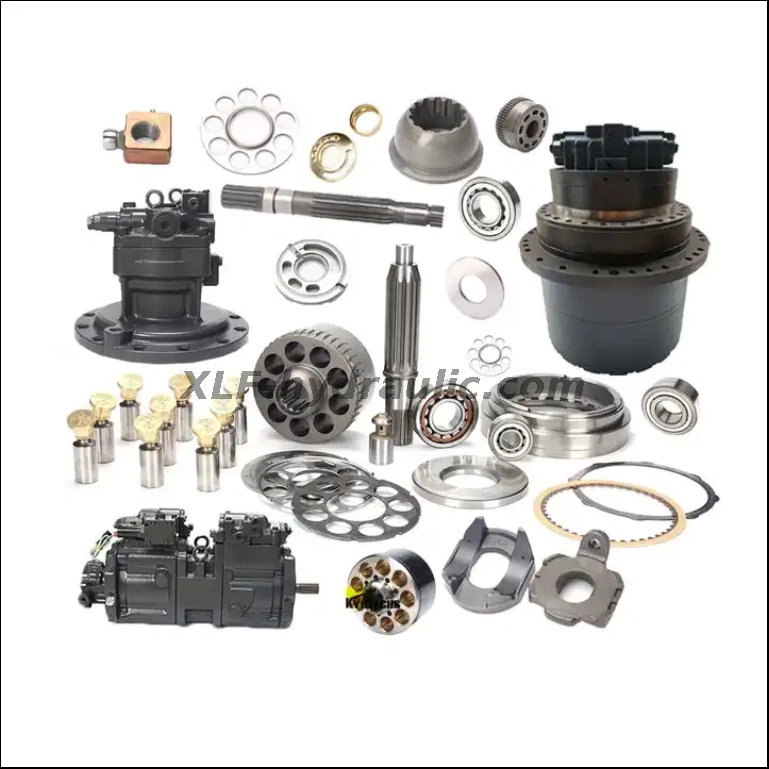
One of the key factors in integration is the hydraulic interface. Kawasaki hydraulic pumps, such as the Mini Excavator Hydraulic K3V63DT Repair Kits Kawasaki K5V80 Excavator Hydraulic Axial Piston Pump Hydraulic Systems, are built to industry - standard hydraulic connection specifications. This means that they can often be connected to other hydraulic equipment that adheres to the same standards. For example, if you have a piece of auxiliary equipment that requires a hydraulic power source, a Kawasaki pump can potentially be used to provide that power as long as the pressure, flow rate, and connection types match.
Another aspect is the control system. Modern Kawasaki hydraulic components are often equipped with sophisticated control systems that can be programmed and adjusted. This flexibility allows for integration with other equipment that has its own control requirements. For instance, in a complex manufacturing process, a Kawasaki hydraulic motor can be integrated with a robotic arm's control system. The motor can be programmed to work in tandem with the robotic arm's movements, providing the necessary power and precision for tasks such as material handling or assembly.
However, it's important to note that while there is a high potential for integration, each integration project needs to be carefully evaluated. The operating conditions, load requirements, and environmental factors of the equipment all play a role in determining the success of the integration. For example, if the equipment is used in a harsh mining environment, the Kawasaki components need to be able to withstand the dust, high temperatures, and vibrations associated with that environment.
Case Studies of Successful Integration
Let's look at some real - world examples of how the Kawasaki series has been integrated with other equipment.
In the construction industry, a large construction company was facing challenges with the hydraulic system of their concrete pumps. The existing pumps were not providing sufficient pressure and flow rate, which was causing delays in the concrete pouring process. After evaluating different options, they decided to integrate a K3VL112dt Hydraulic Variable Plunger Pump Hydraulic Pump Spares KAWASAKI into the concrete pump system. The Kawasaki pump was able to provide the required pressure and flow rate, and its variable displacement feature allowed for precise control of the concrete flow. As a result, the concrete pouring process became more efficient, and the overall productivity of the construction project increased significantly.
In the agricultural sector, a farm was looking to upgrade its irrigation system. They wanted to use a more energy - efficient and reliable hydraulic pump to power their sprinkler systems. By integrating a Kawasaki hydraulic pump with the existing irrigation infrastructure, they were able to achieve better water distribution and reduced energy consumption. The pump's high - efficiency design and precise control capabilities ensured that the right amount of water was delivered to each part of the farm at the right time.
Challenges and Solutions in Integration
Despite the many benefits of integrating Kawasaki series components with other equipment, there are also some challenges that need to be addressed.
One of the main challenges is the compatibility of software and control systems. Some older equipment may have outdated control systems that are not easily compatible with the advanced control systems of Kawasaki components. In such cases, it may be necessary to upgrade the control system of the existing equipment or use an interface device to bridge the gap between the two systems.
Another challenge is the physical space and mounting requirements. Kawasaki components come in different sizes and shapes, and they need to be properly installed in the available space of the equipment. In some cases, modifications to the equipment's structure may be required to accommodate the Kawasaki components. However, with careful planning and engineering, these challenges can be overcome. For example, custom - made mounting brackets can be designed to ensure that the Kawasaki component fits securely and operates effectively within the equipment.
The Future of Integration
The future of integrating the Kawasaki series with other equipment looks promising. With the continuous development of technology, we can expect even more seamless integration in the coming years.
Advancements in sensor technology and the Internet of Things (IoT) will enable better monitoring and control of the integrated systems. For example, sensors can be installed on Kawasaki components and other equipment to collect data on performance, temperature, and pressure. This data can then be analyzed in real - time, allowing for predictive maintenance and optimization of the integrated system.
In addition, the development of more modular and standardized hydraulic components will make integration even easier. Kawasaki is likely to continue to invest in research and development to make their components more adaptable and easier to integrate with a wider range of equipment.
Conclusion and Call to Action
In conclusion, the Kawasaki series can indeed be integrated with other equipment in many cases. The high - quality design, standard - compliant specifications, and flexible control systems of Kawasaki components provide a solid foundation for successful integration. However, each integration project requires careful planning, evaluation, and sometimes, the implementation of solutions to overcome challenges.
If you are considering integrating Kawasaki series components with your equipment, I encourage you to reach out. Our team of experts has extensive experience in hydraulic system integration and can provide you with the guidance and support you need. Whether you are in the construction, mining, manufacturing, or any other industry, we are here to help you achieve the best results with your equipment integration projects.
References
- Manufacturer's documentation of Kawasaki hydraulic components
- Industry reports on hydraulic system integration
- Case studies from various industries where Kawasaki components have been integrated with other equipment


