

Hey there! As a supplier of axial displacement pumps, I often get asked this question: "Can an axial displacement pump be used for pumping solids - laden fluids?" Well, let's dive right in and explore this topic.
First off, let's understand what an axial displacement pump is. It's a type of pump where the pistons are arranged parallel to the drive shaft. These pumps are known for their high - efficiency, precise control, and ability to handle high pressures. They're widely used in various industries like construction, agriculture, and manufacturing. For example, the Parker Vp1 - 75 Hydraulic Variable Axial Plunger Pump for Wheeled Tractor is a popular choice in the agricultural sector for powering wheeled tractors.
Now, when it comes to pumping solids - laden fluids, things get a bit tricky. Solids - laden fluids contain solid particles of different sizes and shapes suspended in a liquid medium. Examples include slurries in mining operations, wastewater with debris, and some industrial process fluids.
Advantages of Using Axial Displacement Pumps for Solids - Laden Fluids
One of the main advantages is the pump's ability to generate high pressures. This can be beneficial when you need to move solids - laden fluids through long pipelines or against significant resistance. Axial displacement pumps can create the necessary force to push the fluid and the suspended solids along.
Also, these pumps can offer relatively precise flow control. In some applications, it's crucial to maintain a consistent flow rate of the solids - laden fluid. Axial displacement pumps can be adjusted to meet these specific requirements, ensuring that the process runs smoothly.
Challenges of Using Axial Displacement Pumps for Solids - Laden Fluids
However, there are also some significant challenges. The first and most obvious one is wear and tear. The solid particles in the fluid can cause abrasion on the internal components of the pump, such as the pistons, cylinders, and valves. Over time, this can lead to reduced pump efficiency, increased maintenance costs, and even pump failure.
Another issue is the potential for clogging. If the solid particles are too large or if there's a high concentration of solids in the fluid, they can block the flow passages in the pump. This can disrupt the pumping process and may require the pump to be shut down for cleaning.
Mitigating the Challenges
To overcome these challenges, several strategies can be employed. One approach is to use appropriate materials for the pump components. For example, using hardened steel or ceramic materials for the pistons and cylinders can increase their resistance to abrasion.

Filtration is also crucial. By installing a pre - filter upstream of the pump, you can remove the larger solid particles from the fluid before it enters the pump. This reduces the risk of clogging and wear on the pump components.
Proper pump design is another factor. Some axial displacement pumps are specifically designed to handle solids - laden fluids. They may have larger flow passages, more robust valves, and other features that make them more suitable for this type of application. For instance, the CAT 6E2932 Replacement Fixed Speed Pump 936 Fits Aftermarket Tractor Part is designed to be durable and reliable in demanding agricultural applications, which may involve pumping fluids with some level of solids.
Case Studies
Let's look at a few case studies to see how axial displacement pumps perform in real - world applications involving solids - laden fluids.
In a mining operation, an axial displacement pump was used to pump a slurry of ore and water. Initially, the pump faced some issues with wear due to the abrasive nature of the ore particles. However, after implementing a filtration system and using pump components made of wear - resistant materials, the pump's performance improved significantly. It was able to operate continuously for longer periods, reducing downtime and maintenance costs.
In a wastewater treatment plant, an axial displacement pump was installed to handle wastewater with debris. The pump's precise flow control was beneficial in maintaining a consistent treatment process. However, clogging was a problem at first. By modifying the pump's design to have larger flow passages and adding a self - cleaning mechanism, the clogging issue was largely resolved.
When Axial Displacement Pumps Are Not the Best Option
There are situations where axial displacement pumps may not be the most suitable choice for pumping solids - laden fluids. If the solid particles are extremely large or if the concentration of solids is very high, other types of pumps, such as diaphragm pumps or centrifugal pumps with special impellers, may be more appropriate.
For example, in a dredging operation where large rocks and debris are present in the fluid, a diaphragm pump may be a better option as it can handle larger solid particles without getting damaged easily.
Conclusion
So, can an axial displacement pump be used for pumping solids - laden fluids? The answer is yes, but with some caveats. It has its advantages in terms of pressure generation and flow control, but it also faces challenges related to wear and clogging. By taking appropriate measures such as using wear - resistant materials, implementing filtration systems, and proper pump design, these challenges can be mitigated.
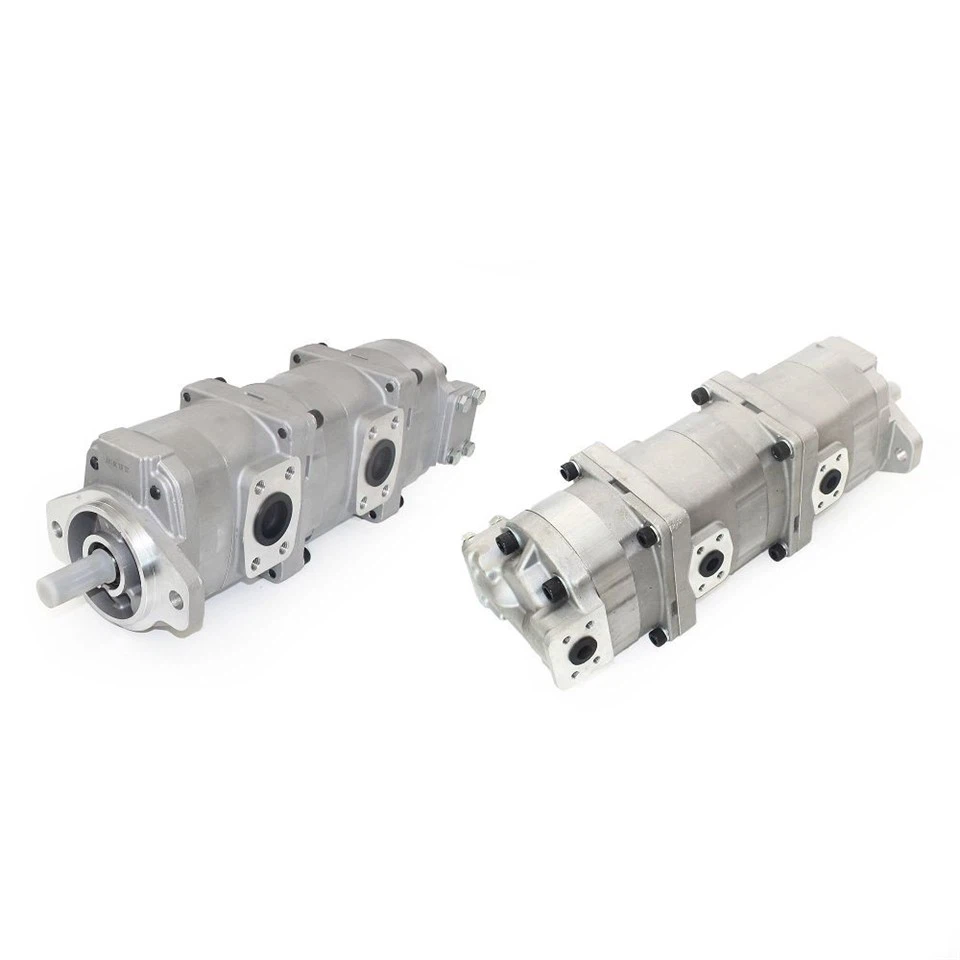
If you're in an industry that requires pumping solids - laden fluids and you're considering an axial displacement pump, we're here to help. We have a wide range of axial displacement pumps, including the Komatsu Pc60 Series Excavator Hydraulic High Pressure Three Piston Pump Pump 705 - 56 - 24080, that can be customized to meet your specific needs. Feel free to reach out to us to discuss your requirements and explore the best pumping solutions for your application.
References
- "Pump Handbook" by Igor J. Karassik et al.
- "Fluid Mechanics and Hydraulic Machines" by R. K. Bansal.
- Industry reports on pump applications in mining, wastewater treatment, and other relevant sectors.


