Hey there! As a twin piston pump supplier, I often get asked a bunch of questions about our products. One question that pops up quite a bit is, "Can a twin piston pump be used for pumping gases?" Well, let's dive right into this topic and break it down.
First off, let's understand what a twin piston pump is. A twin piston pump is a type of positive displacement pump. It works by using two pistons that move back and forth in cylinders. When the pistons move, they create a change in volume inside the cylinders, which in turn causes fluid or gas to be drawn in and then pushed out.
Now, the short answer to whether a twin piston pump can be used for pumping gases is yes, but with some important considerations. Twin piston pumps can indeed handle gases, but they're not always the best choice for every gas - pumping scenario.
One of the key factors to think about is the type of gas. Some gases are relatively easy to pump, like air. Air is a common gas that twin piston pumps can handle quite well. They're often used in applications where a steady supply of compressed air is needed, such as in small - scale pneumatic tools or some laboratory setups.
However, when it comes to other gases, things get a bit more complicated. For example, corrosive gases can be a real challenge. These gases can cause damage to the pump's components over time. The pistons, cylinders, and seals in a twin piston pump are usually made of metal or other materials that can be corroded by certain gases. If you're planning to pump a corrosive gas, you'll need to make sure the pump is made of materials that are resistant to that particular gas. Some pumps can be coated with special materials or made from corrosion - resistant alloys to handle these tough gases.

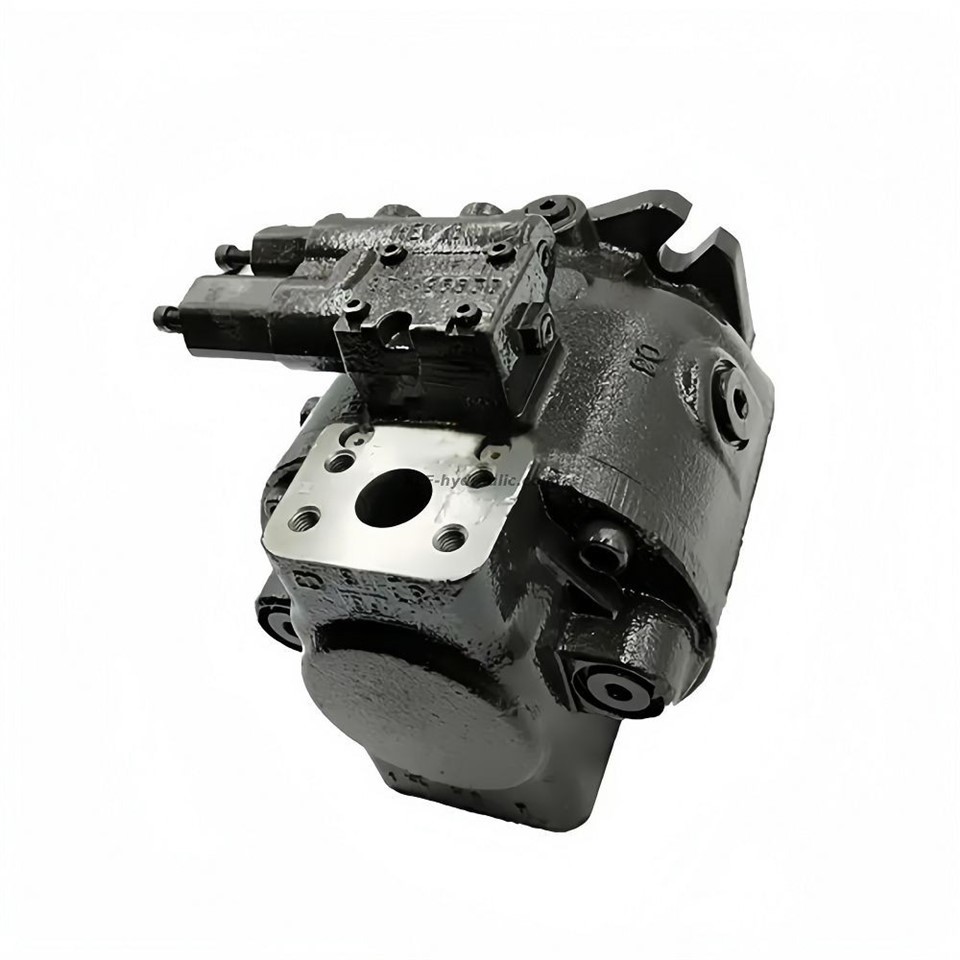
Another important aspect is the pressure requirements. Different gases have different pressure needs. Twin piston pumps can generate a certain amount of pressure, but if you need to pump a gas at extremely high pressures, a twin piston pump might not be the most efficient option. There are other types of pumps, like the CAT 107 1246 Hydraulic Polyhydron Radial Piston Pump for Crawler Dozer, which are better suited for high - pressure applications. These pumps are designed to handle the high - stress conditions associated with high - pressure pumping.
The flow rate is also a crucial factor. If you need to pump a large volume of gas quickly, a twin piston pump might not be able to keep up. The design of twin piston pumps limits their maximum flow rate. For high - flow applications, you might want to consider other pump types, such as centrifugal pumps. But for applications where a relatively low to moderate flow rate of gas is required, twin piston pumps can work just fine.
Let's talk about the advantages of using a twin piston pump for gas pumping. One of the big pluses is their reliability. Twin piston pumps are known for their durability and long - term performance. They have a simple design with fewer moving parts compared to some other pump types. This means there are fewer things that can go wrong, and they're generally easier to maintain.
Another advantage is their ability to provide a relatively constant flow of gas. This is important in applications where a steady supply of gas is needed, like in some chemical processes or in certain types of medical equipment.
Now, let's look at some real - world examples of where twin piston pumps are used for gas pumping. In the food and beverage industry, they're used to pump carbon dioxide for carbonating drinks. The pump needs to be able to handle the gas at the right pressure and flow rate to ensure the proper carbonation of the beverages.
In the automotive industry, twin piston pumps can be used for pumping fuel vapors in some emission control systems. They help to manage the flow of these vapors and ensure that they're properly recycled or disposed of.
In the medical field, twin piston pumps are sometimes used in devices that require a small, reliable supply of oxygen or other gases. For example, in some portable oxygen concentrators, a twin piston pump can be used to draw in air, separate the oxygen, and then deliver it to the patient at the right pressure.
But as I mentioned earlier, twin piston pumps aren't always the go - to option. There are other pumps that might be more suitable depending on the specific requirements. For instance, the Parker P350 Hyaraulic High Pressure Axial Piston Pump for Crawler Bulldozers is designed for high - pressure hydraulic applications and might not be the best choice for gas pumping in most cases, but it shows that different pumps are built for different jobs.
Similarly, the Rexroth A7VO Swash Plate Micro Piston Pump for Wheel Loaders is optimized for heavy - duty hydraulic operations in construction equipment. It's not typically used for gas pumping, but it highlights the wide range of pump designs available.
So, if you're considering using a twin piston pump for gas pumping, here are some steps you should take. First, clearly define your requirements. Know what type of gas you'll be pumping, the pressure and flow rate you need, and any other special conditions, like temperature or humidity.
Next, do your research on the pump options. Look for a pump that's specifically designed to handle your gas and meet your performance requirements. You can also consult with a pump expert or a supplier (like me!) who can help you make the right choice.
Once you've selected a pump, make sure to follow the manufacturer's installation and maintenance instructions carefully. Regular maintenance is key to ensuring the long - term performance and reliability of your pump.
In conclusion, twin piston pumps can be used for pumping gases, but it's important to understand their limitations and capabilities. They offer a reliable and cost - effective solution for many gas - pumping applications, especially when the requirements are within their operating range.
If you're in the market for a twin piston pump for your gas - pumping needs, I'd love to help you out. Whether you have questions about the pump's performance, compatibility with your gas, or need advice on installation and maintenance, I'm here to assist. Just reach out, and we can start a conversation about finding the perfect twin piston pump for your specific application.
References
- "Pump Handbook" by Igor J. Karassik et al.
- Various technical documents from pump manufacturers.