

In the realm of hydraulic systems, the question of whether a hydraulic pump can be used in a multi - pump system is a topic of significant interest. As a hydraulic pump supplier, I've encountered numerous inquiries regarding this matter from customers across various industries. In this blog, I'll delve into the feasibility, benefits, and considerations of using hydraulic pumps in multi - pump systems.
Feasibility of Using Hydraulic Pumps in Multi - Pump Systems
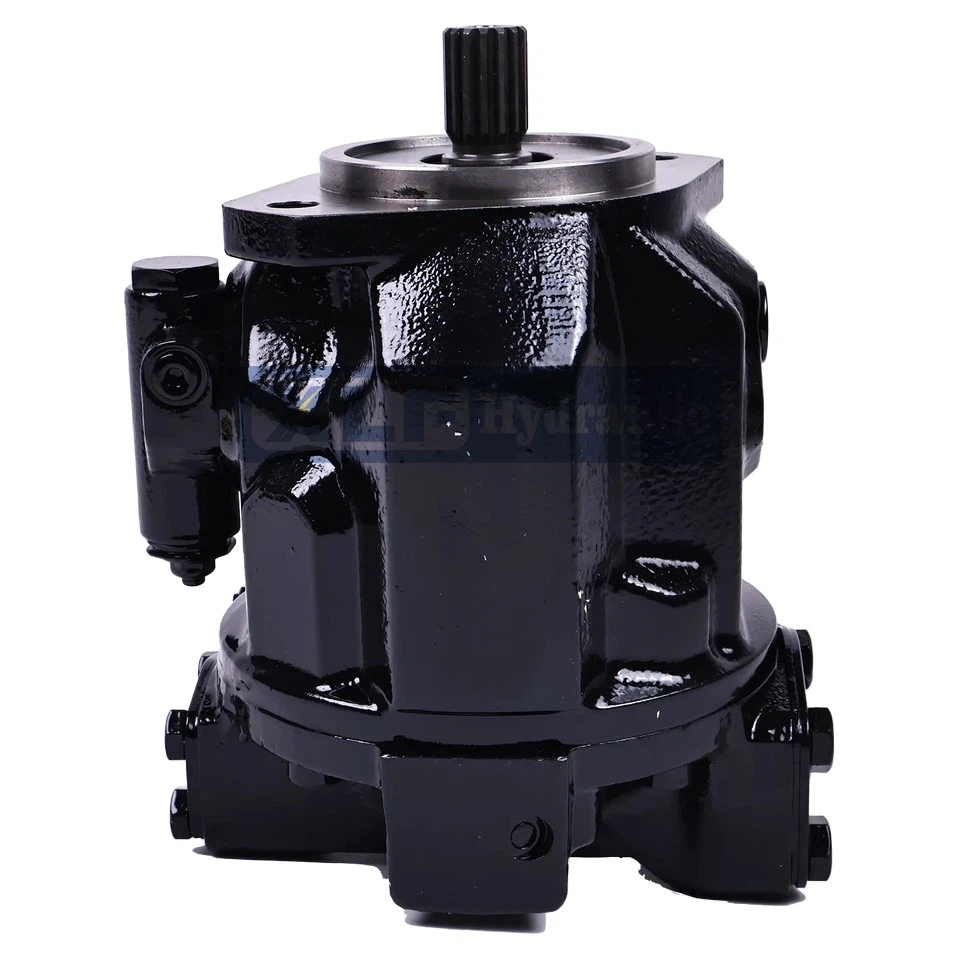
The short answer is yes, a hydraulic pump can be used in a multi - pump system. Hydraulic pumps are the heart of any hydraulic system, responsible for converting mechanical energy into hydraulic energy by creating flow and pressure. In a multi - pump system, multiple pumps work in tandem to meet the specific requirements of the application.
One of the key factors that make it feasible is the modularity of hydraulic pumps. Most modern hydraulic pumps are designed to be easily integrated into larger systems. They can be connected in series or parallel configurations, depending on the desired outcome. For example, in a series connection, the output of one pump feeds into the input of another, increasing the overall pressure. In a parallel connection, the pumps work simultaneously to increase the flow rate.

Benefits of Using a Multi - Pump System
1. Increased Power and Performance
One of the primary advantages of a multi - pump system is the ability to achieve higher power and performance levels. By combining the output of multiple pumps, the system can generate greater flow rates and pressures than a single pump could provide on its own. This is particularly useful in applications that require high - power hydraulic actuation, such as large - scale construction equipment or industrial machinery.
For instance, in an excavator, a multi - pump system can power multiple hydraulic cylinders simultaneously, allowing for more efficient and precise digging operations. Our Volvo 11713293 Excavator Hydraulic Pump - Fits EC210B/EC240B/EC290B, High Efficiency & OEM/ODM Available can be integrated into such a multi - pump system to enhance the overall performance of the excavator.
2. Flexibility and Adaptability
Multi - pump systems offer greater flexibility in meeting the diverse needs of different applications. Different pumps can be selected based on their specific characteristics, such as flow rate, pressure rating, and efficiency. This allows the system to be customized to the exact requirements of the application, ensuring optimal performance and energy efficiency.
For example, in a manufacturing plant, a multi - pump system can be configured to provide different levels of hydraulic power to various production lines. Some lines may require high - pressure pumps for precision machining operations, while others may need high - flow pumps for material handling. Our 11806087 Aftermarket Volvo Replacement Pumps & Fan Motor & Parts | Tough & Tailored - Fit can be used in such a system to provide the necessary flexibility and adaptability.
3. Redundancy and Reliability
Another benefit of a multi - pump system is redundancy. If one pump fails, the other pumps can still maintain a certain level of operation, preventing a complete system shutdown. This is crucial in applications where continuous operation is essential, such as in the oil and gas industry or in emergency response vehicles.
By using high - quality pumps like our 11707965 Aftermarket Volvo Replacement Pumps & Fan Motor & Parts | Energy - Saving & Cost - Effective, the overall reliability of the multi - pump system can be further enhanced. These pumps are designed to withstand harsh operating conditions and have a long service life, reducing the risk of unexpected failures.
Considerations When Using a Multi - Pump System
1. System Design and Integration
Designing and integrating a multi - pump system requires careful planning and engineering. Factors such as pump selection, piping layout, and control system design need to be considered to ensure optimal performance and compatibility. It's important to work with experienced hydraulic engineers who can design a system that meets the specific requirements of the application.
2. Cost
While a multi - pump system can offer many benefits, it also comes with a higher initial cost compared to a single - pump system. The cost of purchasing multiple pumps, as well as the additional components required for system integration, can be significant. However, the long - term benefits, such as increased performance, flexibility, and reliability, often outweigh the initial investment.
3. Maintenance
Maintaining a multi - pump system requires more attention and resources than a single - pump system. Regular inspections, lubrication, and replacement of worn parts are essential to ensure the proper functioning of the pumps and the overall system. It's important to follow the manufacturer's maintenance recommendations and use high - quality replacement parts to minimize downtime and repair costs.
Conclusion
In conclusion, a hydraulic pump can indeed be used in a multi - pump system, offering numerous benefits such as increased power and performance, flexibility, and redundancy. However, careful consideration needs to be given to system design, cost, and maintenance. As a hydraulic pump supplier, we have a wide range of high - quality pumps that are suitable for multi - pump systems. Whether you're in the construction, manufacturing, or any other industry, we can provide you with the right pumps and technical support to meet your needs.
If you're interested in learning more about our hydraulic pumps or discussing a multi - pump system for your application, please feel free to contact us. Our team of experts is ready to assist you in finding the best solution for your specific requirements.
References
- "Hydraulic Systems: Design, Operation, and Maintenance" by John F. Carr
- "Fluid Power with Applications" by Anthony Esposito


